The Millbrae Garage Door Repair blog gives callers useful repair-planning context before they call. These guides are not replacement instructions for high-tension garage door work. They explain symptoms, safe checks, and what details help when speaking with a technician.
A full local-service website should not hide all education inside service pages. Visitors often start with a symptom: a loud bang, a door that will not open, an opener that reverses, a cable that looks loose, a crooked panel, or a garage that has become too noisy for an attached living space. The blog gives those visitors a safer place to learn what the symptom can mean before they choose the right service page or call.
Current Millbrae guides
 Guide
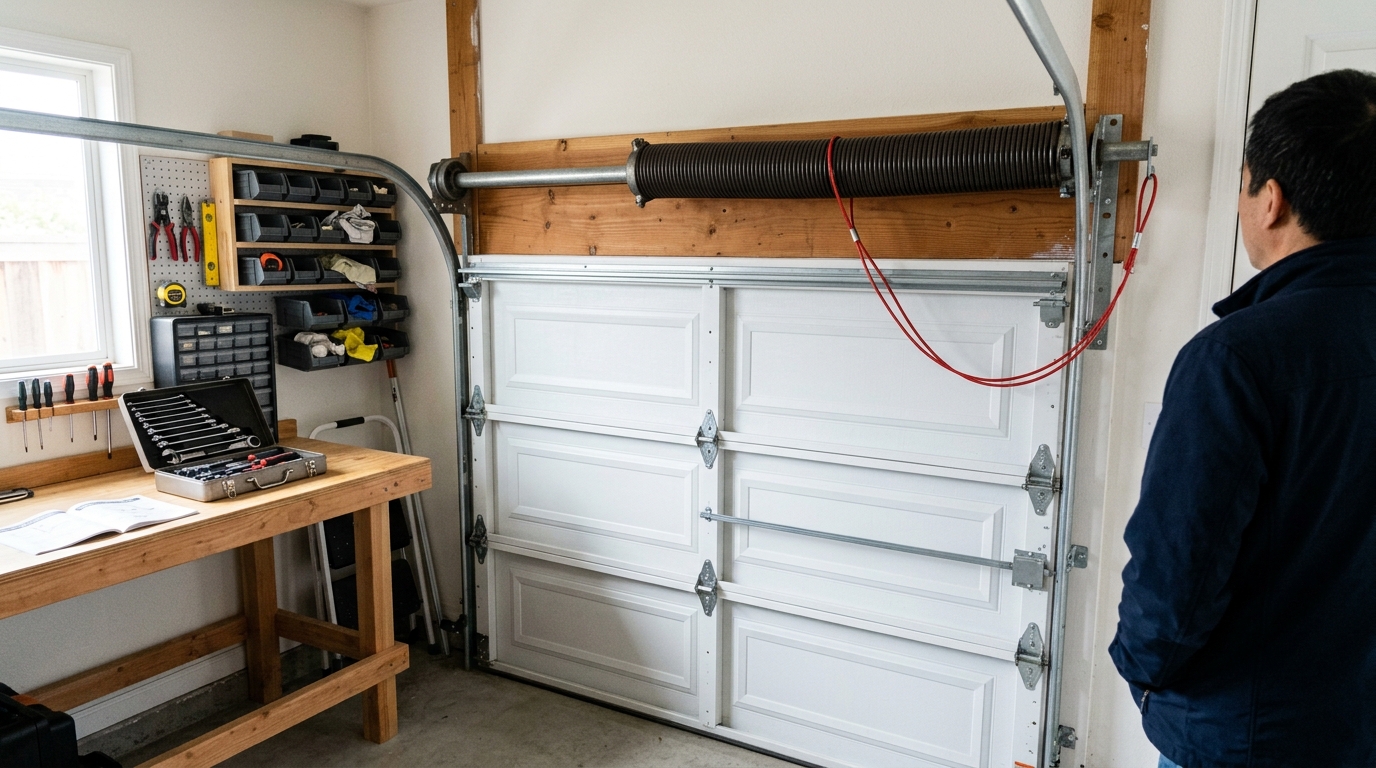
GuideSpring Safety for Millbrae Garage Doors
Recognizing spring trouble without touching high-tension hardware for Millbrae homeowners without fake claims or unsafe DIY instructions.
Read guide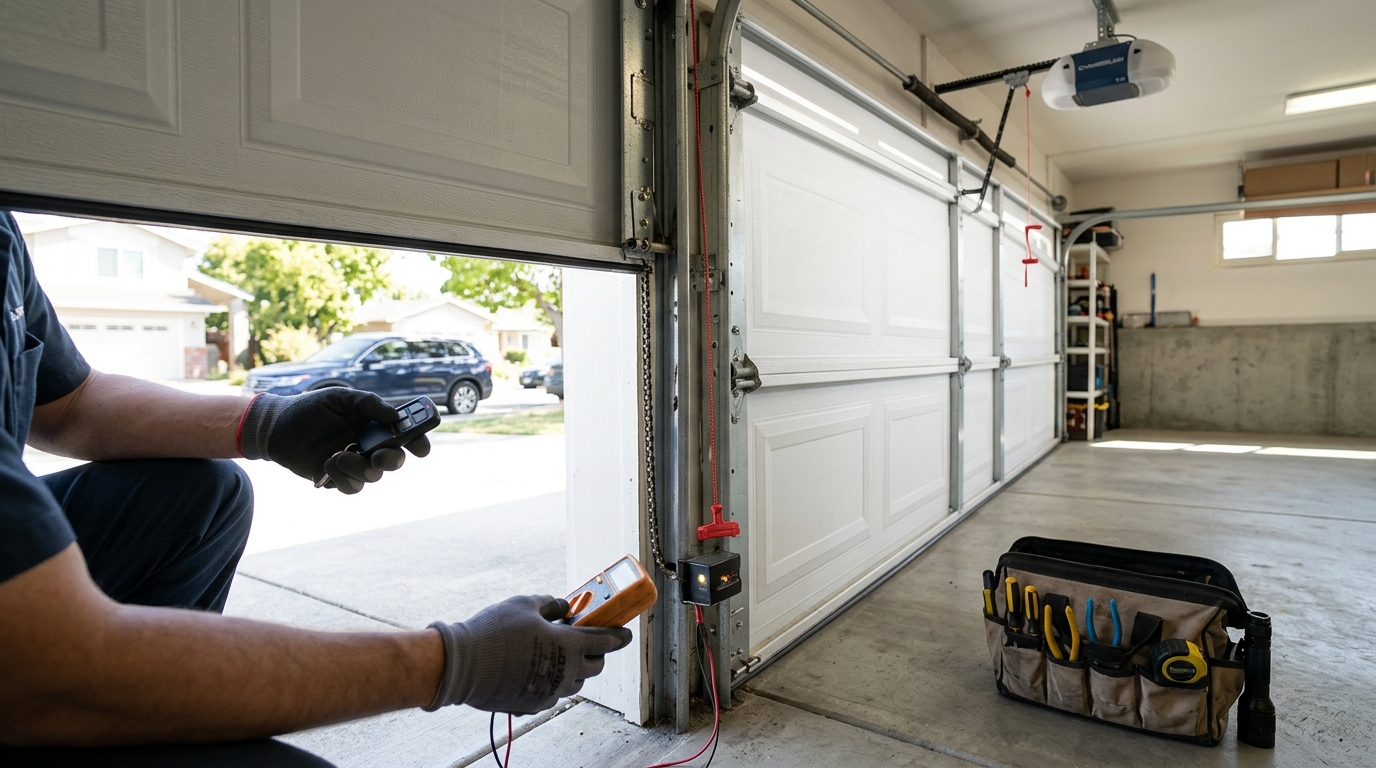 Guide
GuideOpener Troubleshooting Before You Call
Sorting remote, sensor, rail, motor, and door-balance symptoms for Millbrae homeowners without fake claims or unsafe DIY instructions.
Read guide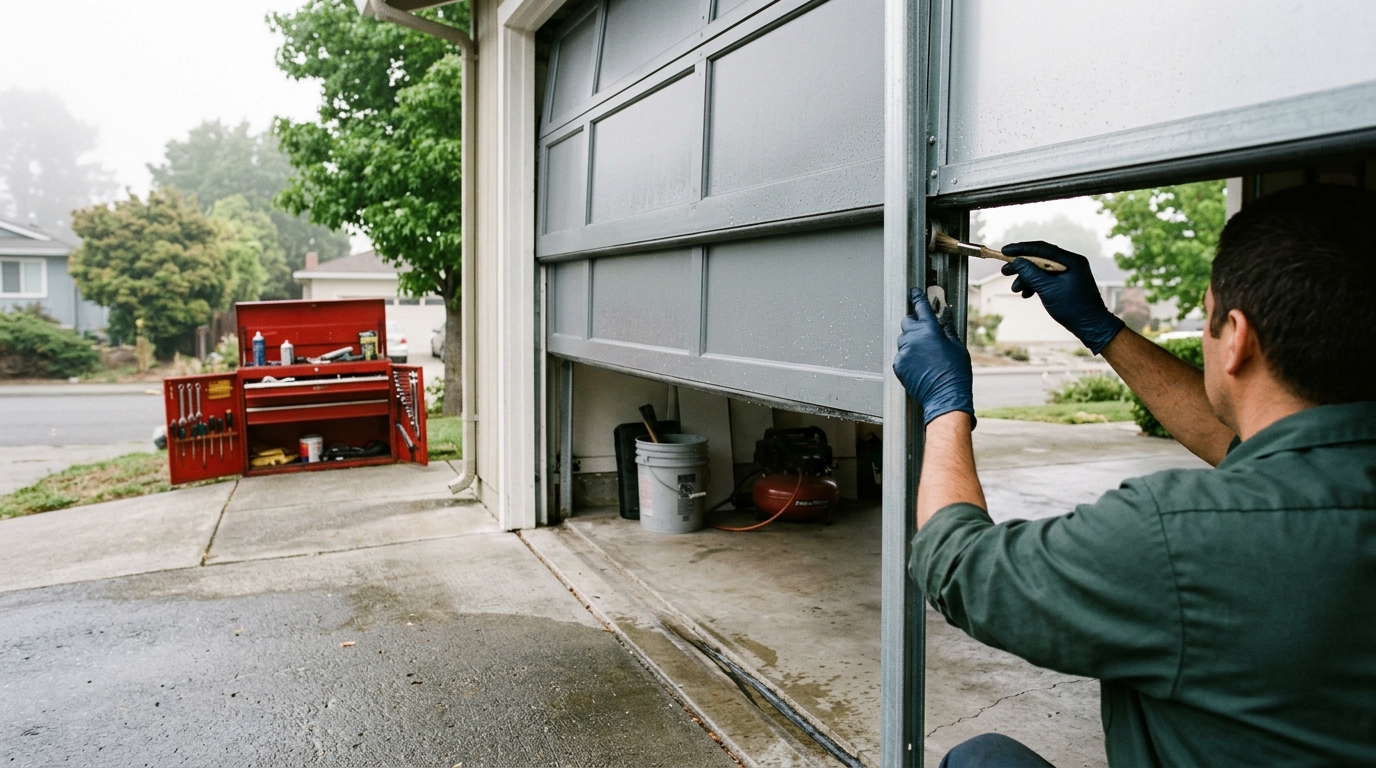 Guide
GuidePeninsula Maintenance for Millbrae Garage Doors
How fog, slope, daily use, and attached garages change maintenance needs for Millbrae homeowners without fake claims or unsafe DIY instructions.
Read guideWhy the blog exists
A real blog gives visitors a place to understand spring risk, opener symptoms, weather exposure, maintenance, and repair-versus-replacement decisions. The pages here keep the verified phone number, service-area posture, and no-fake-claims standard consistent with the rest of the site.
The Millbrae market has useful local context. Homes can sit on sloped driveways near the hills, tighter lots near central routes, or attached garages where opener vibration travels into living areas. Cool Peninsula air and moisture can age seals, exposed hardware, rollers, and panels differently than hotter inland areas. Those details do not create fake promises; they help explain why careful diagnosis matters.
How to use these articles
Start with the symptom that matches what you see. If the door is heavy or a spring looks separated, read the spring-safety guide and avoid touching high-tension hardware. If the motor hums, clicks, reverses, or ignores the remote, read the opener troubleshooting guide and separate simple power or remote checks from door-balance problems. If the door is loud, rough, drafty, or showing weather exposure, read the Peninsula maintenance guide and learn what details are helpful before calling.
- Use the articles for safe observation, not high-tension repair instructions
- Use service pages for the exact repair category once the symptom is clearer
- Use the contact page when the door is stuck, crooked, heavy, or unsafe to operate
- Keep the verified phone path: (650) 980-7050
- Do not rely on copied advice from unrelated city pages or another domain phone number
Safety boundaries stay visible
Springs, lift cables, drums, bottom brackets, and doors that are off track can carry stored force. The blog avoids instructions that would encourage a homeowner to loosen, wind, pry, or force those parts. Safe checks stay simple: power, remotes, wall lock, visible obstructions, sensor alignment from a distance, and clear notes about what changed. Anything involving loaded hardware belongs in a service conversation.
That safety line is part of the quality upgrade. A page can have enough words and still fail if the text is hidden, the images do not render, the wrong phone appears, or the form endpoint is broken. These articles are built to be visible, linked, image-backed, and consistent with the same phone, logo, footer, and schema rules used across the rest of the site.
What this blog will not fake
The blog does not publish invented reviews, star ratings, fixed arrival promises, public address claims, unsupported twenty-four-hour language, or license claims. Those details require verified sources before they belong on the page. The useful promise here is simpler: clear Millbrae garage door education, real page images, a working phone path, and internal links that help visitors move from a symptom to the right service page.
When a visitor calls, the best information is practical: whether the door is open or closed, whether one side sits lower, whether the opener light flashes, whether a cable looks loose, whether a spring appears separated, and whether a vehicle is trapped. The blog prepares that conversation without pretending the website can diagnose the door from a paragraph.
Connected Millbrae service pages
After reading a guide, visitors can continue into the main repair, spring replacement, opener repair, cable repair, off-track repair, panel replacement, maintenance, cost, FAQ, service-area, and contact pages. That makes the blog part of the site architecture instead of a loose add-on. Each page should be readable, linked, and useful on its own.
How a visitor should decide what to read first
If the door suddenly became heavy, stopped after a few inches, or made a sharp bang, the spring safety guide is the right first read. It explains why a broken spring can make the opener look weak and why the door should not be forced. If the opener runs but the door does not move correctly, the opener troubleshooting guide helps separate a remote, wall-station, photo-eye, rail, or motor symptom from a door that is actually out of balance. If the door is still working but loud, rough, drafty, or getting unreliable, the maintenance guide is the more useful starting point.
That choice matters because each symptom leads to a different conversation. A spring or cable symptom is usually about stored force and safe handling. An opener symptom is often about electronics, sensors, force limits, rail travel, or door balance. A maintenance symptom is usually about wear: rollers, hinges, fasteners, seals, weather exposure, and track alignment. The blog index puts those paths in front of the visitor instead of making every page sound like the same generic repair pitch.
- Heavy or suddenly stuck door: start with spring safety
- Remote, motor, blinking-light, or reversal symptom: start with opener troubleshooting
- Noisy, rough, drafty, or aging door: start with maintenance
- Crooked, hanging, or off-track door: stop using the opener and call
- Unknown symptom: use the contact page and describe what changed
What information helps the phone call
Good phone intake does not require technical terms. The helpful details are visible and practical: whether the door is open or closed, whether the opener runs, whether the door is level, whether one side looks lower, whether a spring looks separated, whether a cable is loose, whether any panel was hit, and whether the garage is attached to living space. A photo can help when it is safe to take one, but nobody should stand under a stuck door or reach near loaded hardware to get a better picture.
Millbrae-specific details can help too. A steep driveway, a tight shared driveway, an attached garage under bedrooms, a compact townhome garage, or an older opening near the hills can change the repair conversation. These are not marketing claims; they are simple conditions that affect access, noise, vibration, balance, and replacement planning. The blog teaches visitors how to describe those conditions clearly.
Why visible content matters on this upgrade
This page also exists because a site can technically contain words while visitors cannot comfortably read them. Dark text on dark cards, hidden blog images, broken image references, or a missing form endpoint all create the same problem: the site says it is finished, but the customer sees something incomplete. The Millbrae upgrade treats visible rendered text, visible images, correct phone number, working form route, and linked blog architecture as one system.
The visible standard is simple. A visitor should see the brand, the phone, a clear service message, real page images, readable headings and paragraphs, an obvious call path, and supporting articles that are easy to reach from the homepage and navigation. The proof for that standard should come from a browser and asset checks, not just from a source file.
Truth rules used on the blog
Every article follows the same truth rules as the main service pages. The content does not invent a storefront address, does not claim a star rating, does not hard-code reviews, does not promise exact arrival time, does not claim around-the-clock service, and does not copy another domain phone number. If those facts become verified later, they can be added with proof. Until then, the site stays focused on the verified business identity, phone number, service category, and practical safety guidance.
That restraint is good for visitors and good for the site. It keeps the pages from sounding like a template farm, prevents conflicting NAP signals, and makes future upgrades easier to audit. When every page uses the same verified phone, the same logo identity, the same footer credit, and the same form path, both customers and scanners get a cleaner signal.
Where the blog goes next
The first three articles cover spring safety, opener troubleshooting, and Peninsula maintenance because those topics support the biggest homeowner questions before a call. Future additions can cover cable symptoms, off-track warning signs, panel replacement decisions, insulated door planning, weather seal replacement, and repair-versus-new-door budgeting. Each new post should earn its place by answering a real question and linking to the correct service page.
The goal is not to flood the site with thin posts. The goal is to build a useful library that helps people understand the next safe step. A strong blog landing page lets that library grow without burying the service pages or confusing the call path. It also gives future audits one clear hub to verify.